DNA study reveals Nidderdale’s adders could be part of a national stronghold
Nidderdale’s adders are among the most genetically healthy and well-connected of those analysed in England, according to early findings from a landmark DNA study.
The results suggest Nidderdale National Landscape could be a nationally important stronghold for the species, with adders in the area’s upland moorland appearing to form large, freely mixing populations across broad areas of connected habitat.
The Natural England commissioned study used whole genome sequencing to analyse DNA from adders across four contrasting landscapes in England, including Nidderdale, the North Pennines National Landscape, Norfolk and Suffolk.
The results from Nidderdale stand in stark contrast to findings from more fragmented lowland landscapes, where adder populations on separate fragments of habitat showed reduced genetic diversity and higher levels of inbreeding.
For a species under pressure across England, the findings are significant.
Adders have been declining for decades. Research published in the Herpetological Journal suggests many smaller and isolated populations are at risk of local extinction over the coming decades. Scientists believe inbreeding, caused by fragmented habitats and poor connectivity between populations, may be one of the factors making some populations less resilient to disease and environmental change.
In Nidderdale, the early DNA results paint a more hopeful picture.
They suggest that where large areas of suitable upland habitat remain connected, adders are still able to move, mix and maintain healthy genetic diversity. This is important because genetic diversity can help a species cope with long-term pressures, from disease to changes in climate and habitat.
But the study also shows that healthy populations cannot be taken for granted.
Even in Nidderdale, one distinct adder population appeared to be cut off from larger areas of habitat by barriers such as a road, improved pasture or conifer forest. Although that population appeared healthy in terms of numbers, the DNA results showed signs of reduced genetic diversity.
That finding is important. It shows that even modest barriers in a largely semi-natural landscape can begin to isolate wildlife over time.
Kelly Harmar, biodiversity project officer for Nidderdale National Landscape, said: “I’m fascinated by the new insights provided by the research.
“The work has helped us better understand our landscape and we hope to use the research to help soften and remove barriers to species movement in Nidderdale.”
The fieldwork took place in 2025, with Nidderdale National Landscape working alongside Natural England staff, local volunteers and Yorkshire Water.
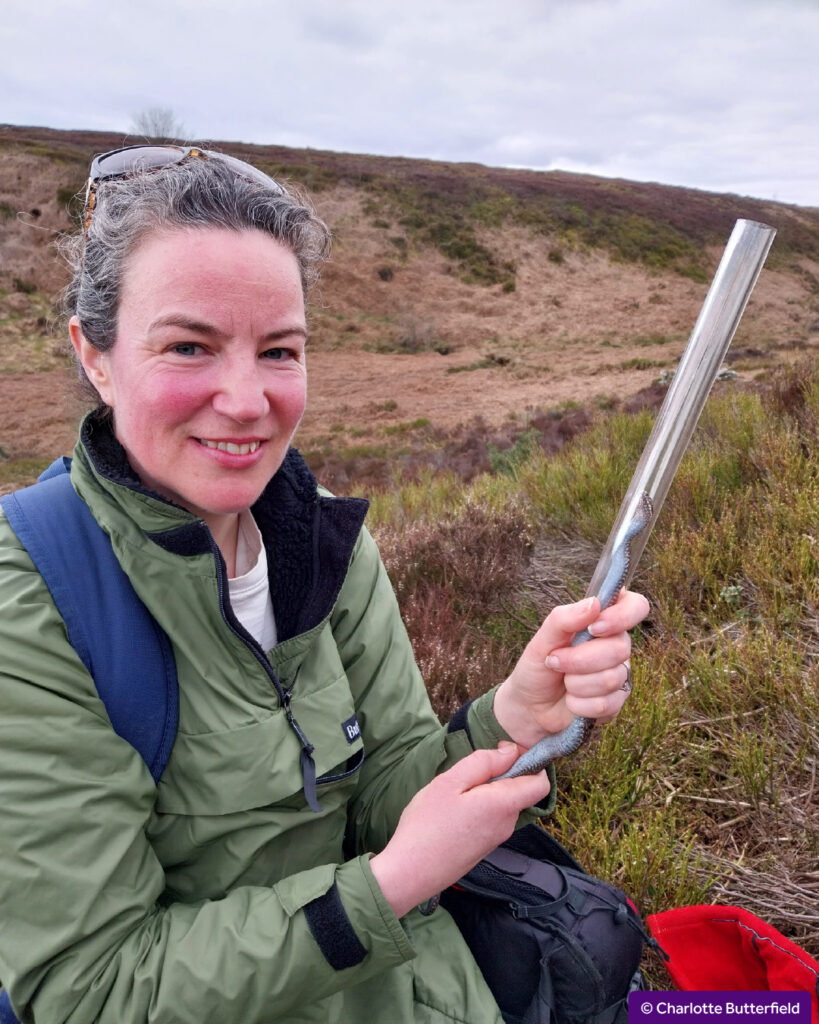
Teams followed specialist welfare protocols and used protective equipment to collect a small number of scales from adders for DNA analysis. The process is painless and each animal was released immediately back where it was found.
William Askew, genetic technology senior specialist for Natural England, said the work demonstrated the value of landscape-scale whole genome analysis in identifying areas of stability and concern for threatened species such as the adder.
He added that areas already analysed, including Nidderdale, now have a baseline that future monitoring can be measured against.
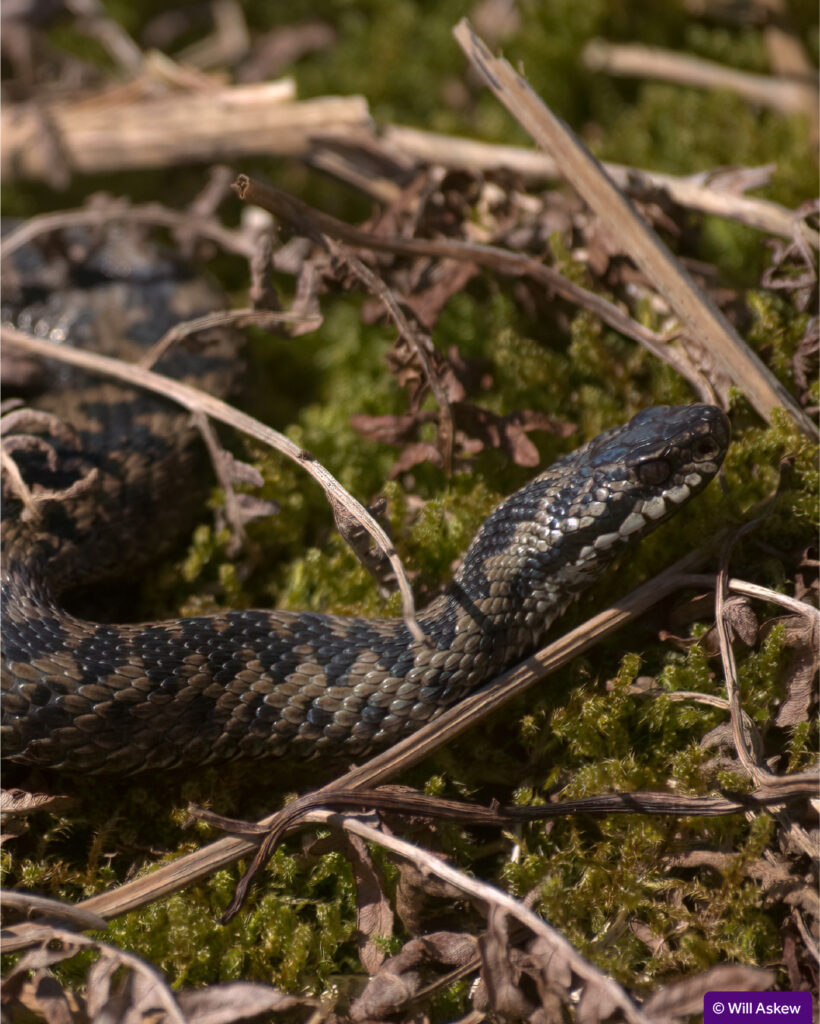
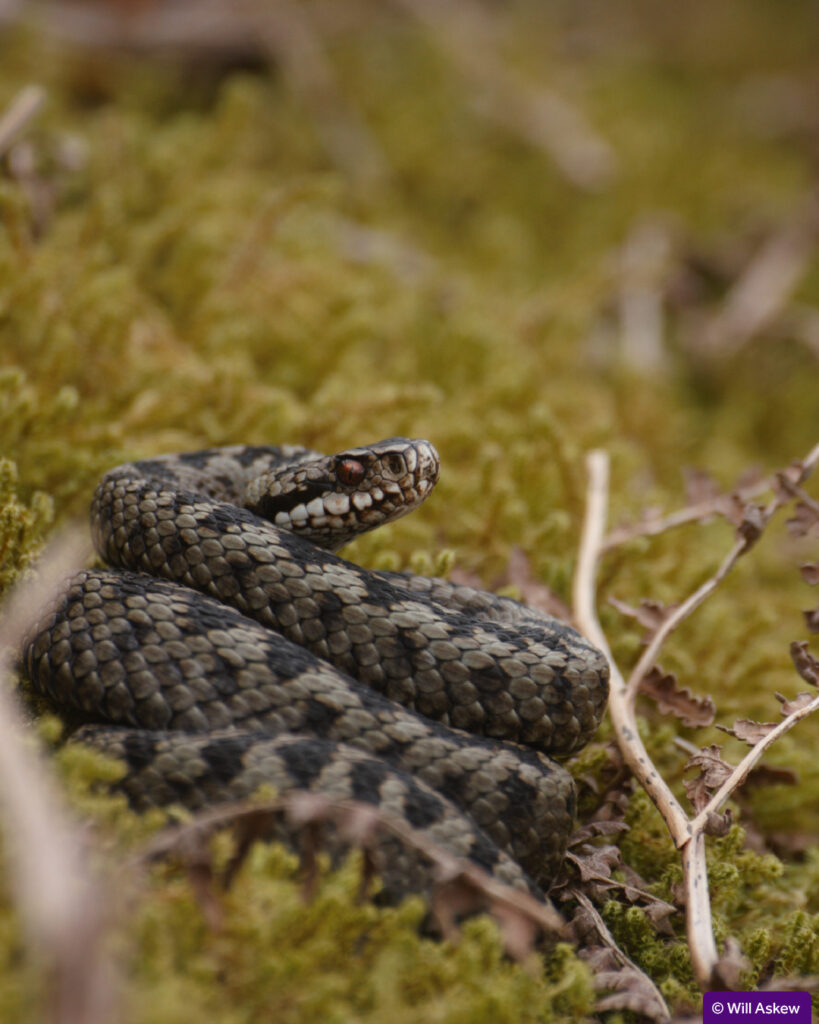
The adder, Vipera berus, is the UK’s only native venomous snake and is legally protected under the Wildlife and Countryside Act 1981.
Despite sometimes being feared or misunderstood, adders are shy animals that will usually move away from people if left undisturbed. They are also an important part of a healthy upland environment, and their presence can tell us a great deal about the condition and connectivity of the wider landscape.
Nidderdale National Landscape has monitored adder populations for many years through its Adder Watch programme, which invites residents and visitors to submit sightings.
These records help build a better picture of where adders are present and how populations are faring. For animal welfare and site security, precise survey locations are not published, and people are not encouraged to actively seek out or disturb adders.
If you are lucky enough to see an adder, please enjoy the moment from a safe distance, keep dogs away, do not attempt to touch or move it and report the sighting through Adder Watch.
The full findings will be published later this year as a Natural England Commissioned Report. Once available, Nidderdale National Landscape will share the results with the local community.
Gallery