
Good news – FiPL extended for three years – funding available now
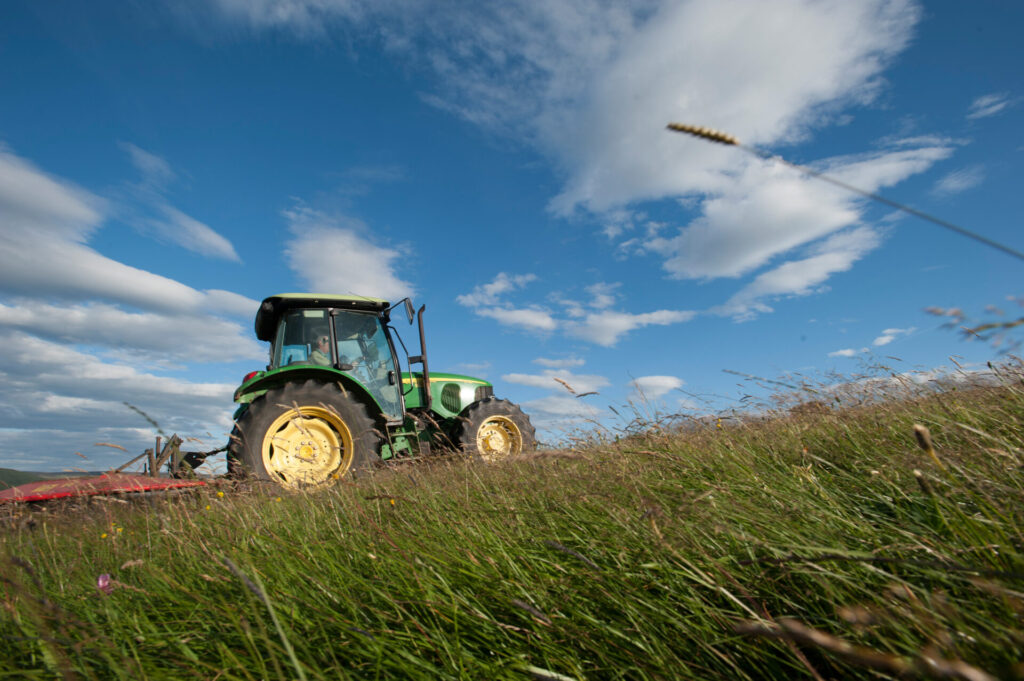
There’s good news for farmers and land managers across the Nidderdale National Landscape. The Farming in Protected Landscapes (FiPL) programme has been extended for a further three years, giving more certainty and flexibility to plan and deliver projects that support both farm businesses and the landscape.
Alongside this longer-term extension, there is also existing FiPL funding available now for projects that can be delivered before 31 March, and the team is keen to see this funding used.
Funding available this year
The FiPL programme is designed to be flexible and responsive to local needs, supporting a wide range of projects across farming, conservation, climate, heritage and access.
Locally, the Nidderdale National Landscape team has confirmed that existing FiPL funding remains available within the current budget and can support straightforward projects delivered before the end of the financial year.
These might include training to build skills, equipment to support diversification, or practical infrastructure that helps farms take steps towards more nature-friendly approaches.
Why the three-year extension matters
Matt Trevelyan, Farming in Protected Landscapes Officer at the Nidderdale National Landscape, welcomed the announcement.
“The three-year extension is very welcome news. It gives applicants the confidence to plan and deliver more ambitious projects, rather than having to work to very tight annual deadlines,” he said.
“Some projects, such as wetland creation or restoring traditional farm buildings, need careful design, surveys and permissions before work can even begin. A multi-year programme allows that work to be done properly and means projects can be delivered in the right conditions, avoiding issues like ground compaction in wet weather and making better use of the investment overall.”
A flexible programme with real impact
FiPL can fund farm business projects with a strong nature-friendly focus at up to 40%, while projects focused on conservation, climate, heritage, people or access can be funded at up to 100%.
To date, more than 250 projects have been supported across the Nidderdale National Landscape.
“We’ve funded over 250 projects so far, and each one adds something valuable to the landscape,” Matt said. “They’re the result of a huge amount of passion and hard work. Delivering them takes a real team effort, with farmers, volunteers, advisers, educators, contractors and specialists all playing a part.”
Regenerative farming and diversification priorities
The Nidderdale National Landscape is particularly keen to support regenerative and high nature value farming approaches. This includes projects such as temporary electric fencing or water infrastructure to help farmers get started with adaptive multi-paddock grazing.
“These kinds of projects can boost productivity, improve soil health and deliver benefits for biodiversity and climate at the same time,” Matt explained.
Place-based food and diversification projects are also a priority. FiPL has previously supported farmhouse cheese-making, mobile hen houses, freezers and pasteurisers, and most recently helped kickstart a gelato business, supporting a young farmer to become financially independent.
Locally delivered, partnership-led support
Iain Mann, Manager of the Nidderdale National Landscape, highlighted the value of FiPL’s local approach.
“What makes FiPL work so well is that it’s rooted in partnerships. Farmers understand their land and businesses better than anyone, and a programme like FiPL, which is locally delivered by the National Landscape team, provides trusted support for farm businesses.”
Get in touch early
Support is available throughout the process, and FiPL funding is open to a wide range of applicants.
“You don’t need to be a farmer to apply,” Matt added. “Individuals and organisations can also lead projects, and we can often help link people up with landowners where needed.”
For projects being delivered before 31 March, early conversations are strongly encouraged.
“I’m always keen to talk to people before they apply,” Matt said. “A phone call is often the easiest place to start, and I’m happy to help shape ideas so projects have the best possible chance of success.”
Gallery