
Yorkshire farms look to the sun to cut costs and protect the landscape
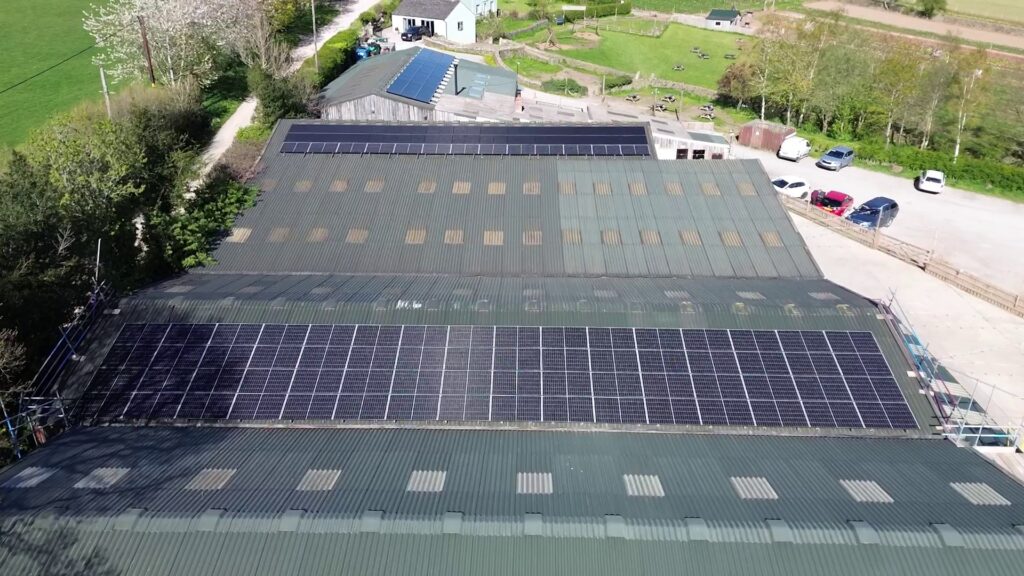
Farmers across Nidderdale are being encouraged to consider solar power after a pilot scheme demonstrated early success in helping rural businesses generate more of their own electricity while limiting the impact on the protected landscape.
Nidderdale National Landscape is now inviting expressions of interest from farmers who would like support towards installing solar panels on existing agricultural buildings.
Farmers interested in taking part must submit an expression of interest and one quotation by 30 July.
Making better use of existing farm buildings
The Defra-funded pilot has supported four farms of different sizes and types, with grants of up to £30,000 towards rooftop solar installations.
Every system has been fitted to an existing agricultural building, allowing the farms to generate electricity while minimising the impact on the surrounding landscape.
Marian Wilby, farm conservation adviser at Nidderdale National Landscape, said:
“Using existing agricultural roofs gives farms an opportunity to generate more of their own power while minimising the impact on Nidderdale’s protected landscape.
“We hope the early success of these projects will encourage other farmers to consider what could work for their own businesses.”
Solar power for an energy-intensive dairy farm
At Shepherds Lodge Farm, a busy North Yorkshire dairy farm supplying Arla, electricity is needed throughout the day to support the milking of more than 150 cows and the production of around 4,000 litres of milk.
A 67kW solar array made up of 132 panels has been installed on the farm’s existing buildings alongside a 60kW battery system.
Installed by Tate Solar in just two weeks, the system is projected to reduce the farm’s annual electricity bills by around 60%.
Battery storage allows electricity generated during daylight hours to continue being used into the evening.
Farm owner David Smith said:
“We have wanted to become more energy independent for years, but we needed people who understood farming and could provide the right system without disrupting the business.
“Knowing we are generating more of our own power gives us greater confidence for the future and should save the farm a significant amount of money.”
Marian said Shepherds Lodge was an ideal farm for the pilot because of its high and consistent electricity requirements.
“Dairy farms use significant amounts of power, particularly during the winter months when much of the milking takes place in darkness.
“It is very reassuring that the solar system can be retrofitted to existing farm buildings, meaning very little impact on the surrounding landscape.”
Powering ice cream production at Birchfield
The pilot has also supported Birchfield Ice Cream Farm, a diversified family business which keeps sheep, cows, goats, pigs, ponies and donkeys.
Alongside making and selling its own ice cream, the farm welcomes visitors for seasonal tulip, strawberry and pumpkin picking.
Much of its electricity is used between 10am and 4pm, when visitors are on site and ice cream is being made. This means demand is highest during the daylight hours when the solar panels are generating electricity.
Birchfield received grant funding towards a 46.41kW roof-mounted system.
Monitoring is continuing, but early results indicate that the system is supplying around 75% of the farm’s electricity needs. A clearer picture will emerge once it has operated through a full winter.
Any surplus electricity can be exported to the grid.
Tom Whitley, whose family runs Birchfield Ice Cream Farm, said:
“Electricity was getting more and more expensive, so we wanted a way of using what we already have here, sunlight and roof space.
“Our main period for using electricity is between 10am and 4pm, when the public is here and we are making ice cream, and the panels can now produce what we need during the day.
“For a farm business, putting solar panels on the roof is a fantastic way to use the space you already have. You can hardly see them from the ground and they blend in really well.”
Supporting farms with different energy needs
The pilot also supported two further farms, one near Fellbeck and another near Middlesmoor, with rooftop systems designed around their different energy needs. Early data across the pilot is encouraging: all four systems are generating electricity, Birchfield’s installation is currently supplying around 75% of the farm’s electricity needs, and Shepherds Lodge is projected to cut annual electricity bills by around 60%. Monitoring is ongoing and more detailed results will be available in due course.
Helping farms become more resilient
Energy costs remain a significant concern for farm businesses, particularly those which need large amounts of electricity throughout the day.
The pilot is exploring how solar panels fitted to existing agricultural buildings can help farms reduce their reliance on grid electricity, control costs and strengthen their businesses while minimising the impact on the surrounding landscape.
Marian said:
“Energy costs remain a major concern for farmers in Nidderdale and across the country, and many rural businesses are working on increasingly tight margins.
“Using existing agricultural roofs gives farms an opportunity to generate more of their own power while minimising the impact on Nidderdale’s protected landscape.”
Interested in rooftop solar for your farm?
Farmers interested in submitting an expression of interest or finding out more about the support available should contact Marian Wilby at:
Expressions of interest must be accompanied by one quotation and received by 30 July.
The application form can be found here